
Heart disease is often blamed on family history, but growing evidence shows that daily food choices shape heart health more powerfully than genetic inheritance. While genes can raise risk, diet determines whether those risks are amplified or restrained over time. What you eat each day directly affects cholesterol levels, blood pressure, inflammation, and blood sugar—four major drivers of cardiovascular disease.
This article explains why diet plays a stronger role than genetics, how food interacts with your genes, and which dietary habits protect the heart most effectively.
Understanding Genetics and Heart Disease Risk
Genetics influence how the body processes fats, sugars, and cholesterol. Some people inherit variants that predispose them to:
-
High LDL (“bad”) cholesterol
-
Elevated blood pressure
-
Insulin resistance
-
Increased inflammation
However, genes are risk modifiers, not destiny. Many people with strong family histories never develop heart disease, while others without genetic risk do. The difference is often explained by long-term lifestyle patterns—especially diet.
Why Diet Has a Greater Impact Than Genetics
Diet affects heart health in real time, whereas genes remain static. The foods you eat every day regulate metabolic processes that directly influence cardiovascular function.
Diet Can Override Genetic Risk
Studies repeatedly show that people with genetic susceptibility to heart disease can dramatically lower their risk through healthy eating patterns. Diet influences how genes are expressed, a process known as epigenetic regulation.
In simple terms:
-
Genes load the gun
-
Diet pulls—or disarms—the trigger
Food Directly Shapes Key Heart Markers
A heart-supportive diet improves:
-
Cholesterol balance by lowering LDL and increasing HDL
-
Blood pressure through reduced sodium and increased potassium
-
Blood vessel health via antioxidants and anti-inflammatory compounds
-
Blood sugar control, reducing vascular damage
Genetics may affect how sensitive you are to these markers, but diet determines where they land.
How Poor Diet Amplifies Genetic Vulnerability
An unhealthy diet doesn’t just harm the heart—it activates genetic weaknesses. Diets high in ultra-processed foods can worsen inherited tendencies.
Common dietary patterns that intensify genetic risk include:
-
Excess saturated and trans fats
-
High refined sugar intake
-
Low fiber consumption
-
Excess sodium
These patterns increase oxidative stress and chronic inflammation, accelerating plaque buildup even in people with moderate genetic risk.
Foods That Actively Protect the Heart
Certain foods consistently show protective effects regardless of genetic background.
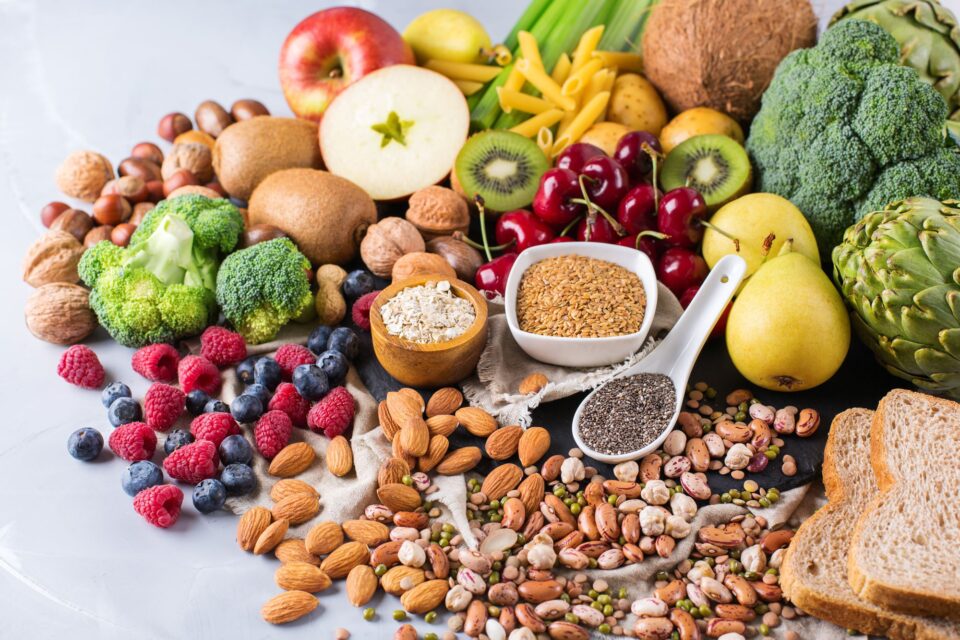
Heart-Strengthening Foods to Prioritize
-
Fruits and vegetables: Rich in antioxidants and potassium
-
Whole grains: Improve cholesterol and blood sugar control
-
Healthy fats: Olive oil, nuts, seeds, and avocados reduce inflammation
-
Fatty fish: Omega-3s lower triglycerides and stabilize heart rhythm
-
Legumes: Fiber-rich proteins that support vascular health
These foods improve endothelial function and reduce arterial stiffness—key factors in preventing heart disease.
The Role of Inflammation and Gut Health
Diet shapes the gut microbiome, which plays a crucial role in heart health. A fiber-rich, plant-forward diet promotes beneficial gut bacteria that reduce inflammation and improve lipid metabolism.
Conversely, diets high in processed foods encourage harmful bacteria that produce inflammatory compounds linked to arterial damage.
A healthy gut equals a healthier heart, regardless of genetic background.
Long-Term Dietary Patterns Matter More Than Short-Term Fixes
Heart health is influenced by consistency, not perfection. Occasional indulgences are less important than long-term eating habits established over years or decades.
Sustainable dietary patterns—rather than restrictive diets—are most effective at:
-
Lowering lifetime cardiovascular risk
-
Preventing progression of existing heart conditions
-
Supporting overall metabolic health
Genetics Still Matter—But Diet Decides the Outcome
Genes may explain who is more vulnerable, but diet determines who actually becomes ill. Even individuals with high genetic risk can maintain strong heart health through informed nutritional choices.
In contrast, no genetic advantage can fully protect against a chronically poor diet.
Frequently Asked Questions
Can a healthy diet completely eliminate genetic heart disease risk?
A healthy diet cannot change genes, but it can significantly reduce how strongly they influence heart disease development.
Is heart disease inevitable if it runs in my family?
No. Many people with family history never develop heart disease due to long-term healthy lifestyle choices.
Which diet is best for heart health?
Diets rich in whole foods, fiber, healthy fats, and minimal processing consistently show the strongest heart-protective effects.
How early should heart-healthy eating begin?
The earlier, the better. Dietary habits formed in childhood and early adulthood strongly influence lifetime cardiovascular risk.
Do supplements replace a heart-healthy diet?
Supplements may help specific deficiencies, but they cannot replace the benefits of whole foods.
How long does it take for diet changes to improve heart health?
Improvements in cholesterol and blood pressure can appear within weeks, while long-term risk reduction builds over years.
Can occasional unhealthy meals undo heart benefits?
No. Overall dietary patterns matter far more than isolated meals when it comes to heart health.
