
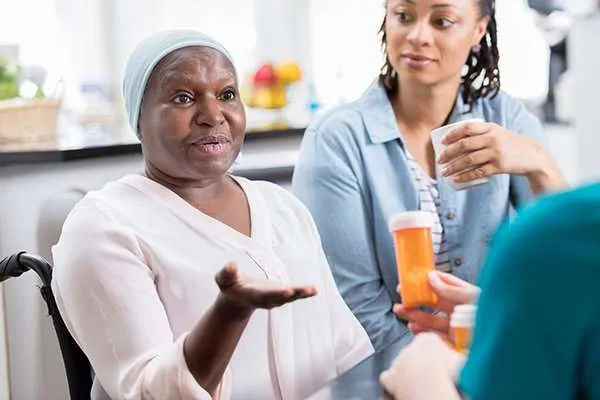
Health is not shaped by biology alone. For women, wellness is deeply influenced by how clearly health information is understood, trusted, and applied in daily life. Health literacy—the ability to access, interpret, and use health information—often determines whether care is preventive or reactive, empowering or confusing. Despite its importance, it remains one of the most overlooked pillars of women’s wellness.
Understanding Health Literacy Beyond Reading Skills
Health literacy goes far beyond the ability to read pamphlets or prescriptions. It includes how confidently a woman can navigate healthcare systems, evaluate medical advice, and make informed decisions across every stage of life.
Key dimensions of health literacy include:
-
Understanding medical terminology and test results
-
Asking informed questions during medical visits
-
Evaluating health information from digital and social sources
-
Making day-to-day decisions related to nutrition, mental health, and self-care
When these skills are limited, even the best healthcare services may fail to deliver meaningful outcomes.
Why Women Face Unique Health Literacy Challenges
Women interact with the healthcare system more frequently than men, yet they often face layered barriers that complicate understanding and access.
Social and Cultural Pressures
Many women prioritize family responsibilities over personal health, delaying care or ignoring symptoms. Cultural norms can also discourage open discussions about reproductive or mental health.
Information Overload and Misinformation
From social media trends to conflicting wellness advice, women are often exposed to overwhelming and sometimes misleading health information. Without strong literacy skills, separating evidence-based guidance from myths becomes difficult.
Gender Bias in Healthcare
Women’s symptoms are more likely to be dismissed or misunderstood, particularly in areas such as pain management, autoimmune conditions, and mental health. Low health literacy can make it harder to advocate effectively in these situations.
The Impact of Health Literacy on Women’s Wellness Outcomes
Health literacy directly influences both short-term and long-term wellbeing. Women with higher literacy levels are more likely to:
-
Engage in preventive screenings and routine checkups
-
Manage chronic conditions more effectively
-
Adhere to treatment plans with confidence
-
Experience better mental health outcomes
Conversely, limited health literacy is linked to delayed diagnoses, higher hospitalization rates, and increased healthcare costs.
Health Literacy Across Life Stages
Adolescence and Early Adulthood
This stage shapes lifelong habits. Understanding menstrual health, contraception, nutrition, and mental wellbeing lays the groundwork for future wellness.
Reproductive Years
Pregnancy, fertility, and postpartum care require navigating complex medical decisions. Clear health literacy helps women weigh risks, understand options, and recognize warning signs early.
Midlife and Menopause
Hormonal changes, cardiovascular risks, and bone health become central concerns. Women who understand these shifts are more likely to seek timely care and adopt protective lifestyle changes.
Older Adulthood
Managing multiple medications and chronic conditions demands strong comprehension and communication skills. Health literacy supports independence and quality of life.
Bridging the Health Literacy Gap
Improving women’s health literacy is a shared responsibility between individuals, healthcare providers, and communities.
What Healthcare Systems Can Do
-
Use plain, inclusive language in all communications
-
Encourage shared decision-making during consultations
-
Provide culturally sensitive education materials
What Communities and Educators Can Do
-
Offer workshops and support groups focused on women’s health topics
-
Promote critical thinking around online health information
-
Normalize conversations about mental, reproductive, and aging-related health
What Women Can Do Individually
-
Prepare questions before appointments
-
Seek second opinions when information feels unclear
-
Use reputable, evidence-based health resources
The Role of Digital Health Literacy
As healthcare increasingly moves online, digital literacy has become inseparable from health literacy. Understanding telehealth platforms, patient portals, and online medical records empowers women to stay engaged and informed, rather than passive recipients of care.
A Healthier Future Starts with Understanding
Women’s wellness cannot advance without addressing the knowledge gap that quietly undermines care. Health literacy is not a luxury—it is a necessity. When women are equipped with clear, accessible information, they gain control over their bodies, their choices, and their futures.
Frequently Asked Questions
1. How is health literacy different from general education?
Health literacy focuses specifically on understanding and applying health-related information, not overall academic achievement.
2. Can low health literacy affect mental health outcomes?
Yes, difficulty understanding mental health conditions or treatment options can delay care and worsen symptoms.
3. Are younger women automatically more health literate because they use digital tools?
Not necessarily. Access to information does not guarantee the ability to evaluate its accuracy or relevance.
4. How can healthcare providers identify low health literacy?
Signs include missed appointments, confusion about medications, or reluctance to ask questions.
5. Does health literacy impact maternal health?
Strong health literacy supports informed prenatal decisions, safer deliveries, and better postpartum care.
6. Can health literacy reduce healthcare costs?
Yes, informed patients are more likely to use preventive care and avoid unnecessary hospitalizations.
7. What is the first step to improving personal health literacy?
Start by asking questions and seeking clarification until health information feels clear and actionable.
