
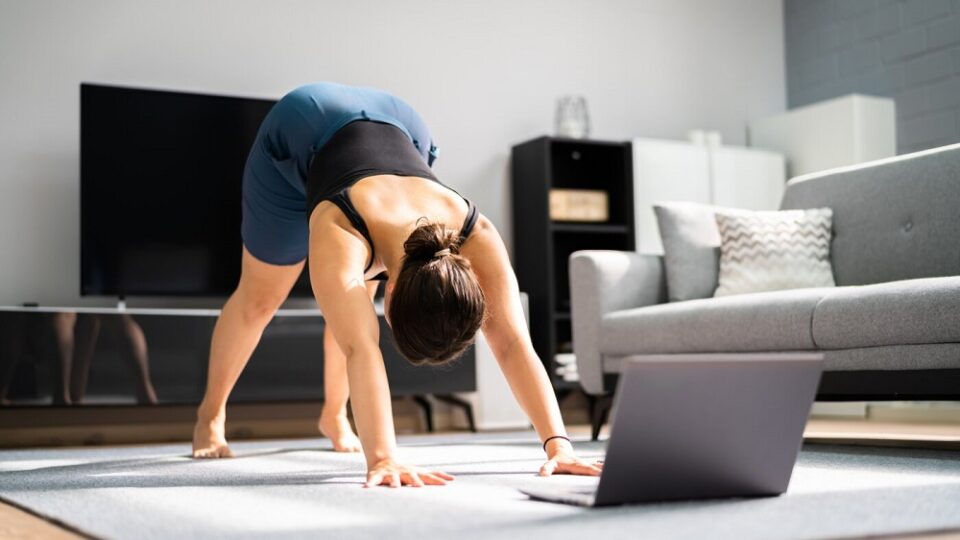
Modern adults spend more time sitting than almost any generation before them. Long workdays, laptop-based tasks, phone use, commuting, and evening screen time all create a body that gradually becomes stiff, rounded, weak, and tired. This is one reason many people searching for a yoga studio Singapore option are not simply looking for exercise. They are looking for a structured way to undo the physical effects of daily urban life.
Sitting for long hours affects the body in small ways at first. The shoulders round forward. The lower back feels tight. The hips lose mobility. The neck becomes tense. Breathing becomes shallow. Over time, these changes can affect energy, sleep, posture, and even mood. A yoga studio environment helps because it gives people guided movement, proper pacing, and a routine that is easier to maintain than random stretching at home.
Why Long Sitting Changes the Body
Sitting is not harmful only because the body is still. The bigger issue is that the body stays in the same shape for too long. Most office workers sit with the hips bent, spine slightly rounded, shoulders forward, and head leaning toward a screen. When this becomes the default position for hours every day, muscles begin to adapt.
The hip flexors can become tight. The glutes may become underactive. The upper back loses extension. The chest feels closed. The neck and jaw can carry hidden tension. Many people do not notice these changes until they try to bend, twist, squat, or sit comfortably on the floor.
Yoga helps address this because it does not focus on one isolated muscle. It works with the body as a whole. A good class moves through breathing, mobility, strength, balance, and relaxation. This combination is especially useful for adults who are not injured but feel constantly stiff or physically restricted.
Why Studio-Based Practice Works Better Than Random Stretching
Many people try to fix stiffness by doing a few stretches at home. That can help temporarily, but it often does not create lasting change. The problem is usually not a single tight muscle. It is a pattern.
For example, someone with lower back tightness may also have weak glutes, tight hips, poor core control, and shallow breathing. Stretching the back alone may feel good for a few minutes, but the discomfort returns because the body has not learned a better movement pattern.
Studio-based yoga offers several advantages:
- The class follows a sequence instead of random movements.
- The teacher can guide safer alignment.
- The pace helps prevent rushing.
- The studio setting reduces distraction.
- Repetition helps the body learn.
This matters because mobility improves through consistency, not one intense session. A studio creates a rhythm that people can return to weekly or several times a week.
How Yoga Supports Posture Without Forcing the Body
Posture is often misunderstood. It is not about standing stiffly with the shoulders pulled back. Healthy posture is the ability to move comfortably, breathe fully, and hold the body with less strain.
Yoga supports this by improving awareness. In class, people begin to notice how they stand, where they hold tension, and how they compensate during simple movements. A forward fold may reveal hamstring tightness. A twist may show limited spinal rotation. A plank may show weak core engagement. A resting pose may reveal how difficult it is to fully relax.
Over time, this awareness changes everyday habits. People may sit differently, take more movement breaks, breathe more deeply, and notice tension earlier. These small changes can reduce the feeling of being constantly tight or physically drained.
The Health Value of Breathing Practice
One overlooked benefit of yoga is breath training. Urban adults often breathe shallowly without realizing it. Stress, screen use, poor posture, and constant mental activity can all affect breathing patterns.
In a guided yoga class, breathing is not treated as an extra detail. It becomes part of the movement. Slower breathing can help calm the nervous system. Deeper breathing can improve body awareness. Breath-led movement also helps people slow down enough to feel what their body is doing.
This is important for people who live with constant work pressure. A class can become one of the few times in the week when the body and mind are not being pushed by notifications, deadlines, or multitasking.
Why Strength Still Matters in Yoga
Some people assume yoga is only stretching. That is not true. Many yoga postures require strength, balance, and control. Holding poses, moving slowly, and stabilizing the body can build strength in areas that desk workers often neglect.
The core, hips, shoulders, feet, and back all play a role. Unlike machine-based gym exercises, yoga asks the body to coordinate several areas at once. This can be useful for adults who want functional strength without heavy equipment or aggressive training.
The goal is not to make every person extremely flexible. The goal is to help the body become more capable, balanced, and resilient.
Who Benefits Most From Studio Yoga
Studio yoga can be especially useful for people who:
- Sit for long hours at work
- Feel stiff after commuting
- Have mild posture-related discomfort
- Struggle to stay consistent with exercise
- Want a lower-impact fitness routine
- Need stress relief along with movement
It is also useful for people returning to movement after a long break. A studio class gives structure without requiring a person to plan everything alone.
Making Yoga Part of a Health Routine
The best results come when yoga is treated as a regular health habit, not an occasional fix. One class may reduce tension, but repeated practice helps the body adapt. The spine moves more easily. The hips feel less locked. The shoulders become more open. The mind also begins to associate movement with recovery, not punishment.
People comparing studio options should look beyond class timing. They should consider teaching style, class variety, atmosphere, and whether the studio supports both beginners and experienced practitioners without making the practice feel intimidating.
For those exploring structured wellness options in Singapore, Yoga Edition can fit naturally into a routine focused on mobility, breath, posture, and long-term body care.
FAQs
How often should office workers do yoga?
Two to three sessions per week can be helpful for many office workers. Even one regular weekly class can improve consistency if supported by light movement on other days.
Can yoga fix poor posture?
Yoga can help improve posture awareness, mobility, and strength. It does not instantly “fix” posture, but it helps people understand and change the habits that create tension.
Is studio yoga better than online yoga?
Online yoga is convenient, but studio yoga offers guidance, environment, routine, and fewer distractions. This can make it better for people who need accountability and alignment support.
